
☰
Cloud computing is the ability to access information and applications over the Internet. This means that instead of having a program installed on your computer, you can access it, or store it, on a remote server. Cloud computing has revolutionized the way we use technology. It has made it possible for us to access our files and applications from anywhere in the world, on any device. It has also made it easier and more affordable for businesses to use technology.
Since the PC revolution, organizations have kept their computing infrastructure in-house, under lock and key. The risks associated with attempting to run your own data centre are often mitigated with quick-response hardware support contracts, but a business running its own data centre still needs to bear the costs of maintaining a secure environment and paying full time staff for operations and support. Upgrades need to be planned well in advance, to allow for purchase lead times and installation schedules.
And there’s always the dilemma of supporting an irregular workload. Hardware powerful enough to cope with your peak activity times generates waste by sitting idle for the rest of the year. Moving to a Public Cloud infrastructure resolves all these problems. The real estate, climate control and security aspects are core competencies of the cloud provider. Spare hardware is always available and ready to use within minutes and can be shut down again when it is no longer required.
These examples demonstrate how the public cloud can provide a leaner and more efficient IT infrastructure, by letting our clients buy additional computing power when it’s needed, and scale back down when conditions return to baseline.
Despite all the benefits of cloud, there are valid reasons why you might not want to use a public cloud provider. Depending on your industry, you may be affected by:
By investing in the infrastructure needed to host the organisation’s own private cloud, our clients gain full control over all levels of your cloud infrastructure. They can address all the concerns directly, within their own organization, while keeping the benefits of the public cloud.
The service involves the creation of virtual servers, called Compute Instances. The owner of these computer selects an install image, which preloads the desired operating system and a default configuration. The install image may also contain bundled software. Once a compute instance is created, it functions as a co-located server and the configuration and maintenance of the software and Operating System is the customer’s responsibility.
Platform as a Service (PaaS) goes a step further than IaaS: Rather than renting a virtual server, we sell access to a software platform. This gives our clients access to the software, with no access to the underlying hardware or systems.
Resources can be rented on the public cloud, or a business can build and operate its own private cloud. But if our client has special security or compliance requirements, or if they need service offerings not provided by any of the public cloud providers, they may choose to build their own data centre and deploy virtualisation technology to build a private cloud. They gain the extra security and flexibility, at the cost of having to maintain the physical hardware and its running environment.

A fiber internet connection is a type of high-speed internet connection that uses fiber optic cables to deliver fast, reliable internet service. Fiber connections are becoming more and more common as providers roll out their fiber networks in more and more cities.
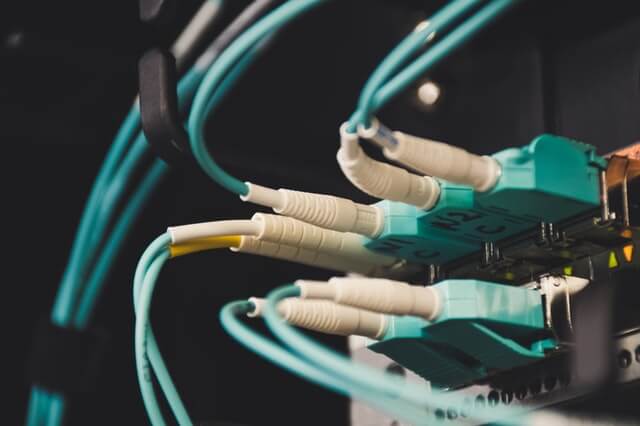
Scalable, flexible, and always available virtual server infrastructure which runs Windows and Linux-based operating systems. The platform is expandable to AWS and Azure which enables our customers access to other additional, value-added services such as Storage, Licensing Data Backup and Voice Over IP.
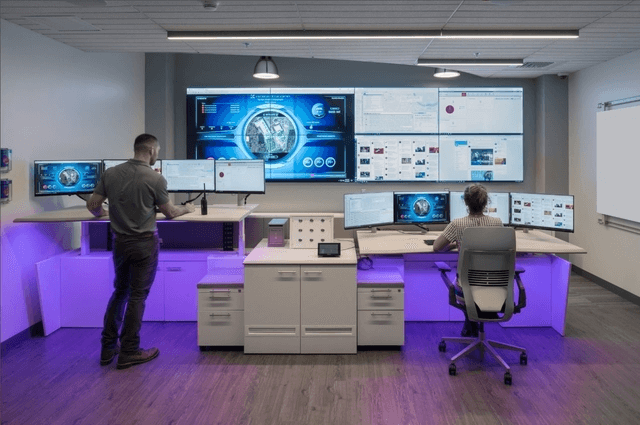
Optimal mix between advanced technologies and cloud, enabling seamless collaboration between Private and Public sectors in the journey towards Smart Cities. Internet-connected devices using built-in sensors to collect data and, in some cases, act on it, these include face/number plate recognition, video walls and traffic management systems.
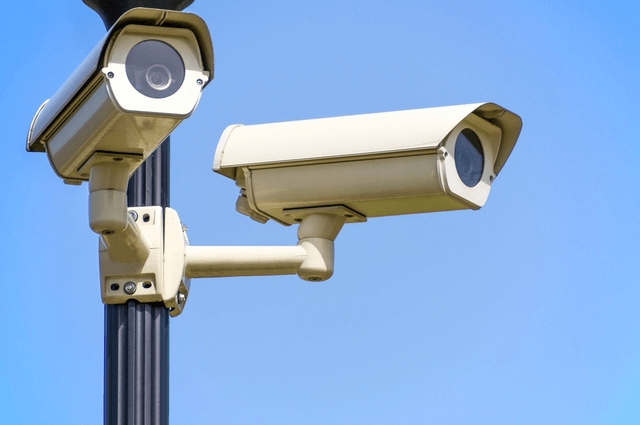
Advanced endpoint protection (anti-virus, anti-spyware, and firewall) and Secure Email (Spam detection, virus protection, identity threat protection (ITP) and phishing protection) for our client’s devices and services.
Cutting edge access control systems (CCTV, Biometrics and Turnstiles) designed in accordance with industry best practices and tailored to our client’s expectations.